
The Talon
Vol. 1 | Ed. 14
Breaking the Census: Midterm Redistricting
Midterms, or the election that occurs in the middle years between the presidential election, are being held on November 3rd, and big changes are already coming about from states like Virginia and Texas. Midterm elections, while they seem less important than presidential elections, are vital to American politics, as if both the Senate and the House of Representatives have a majority in the party represented by the president, any legislation passed by the president will have a smoother path through the checks and balances of Congress.
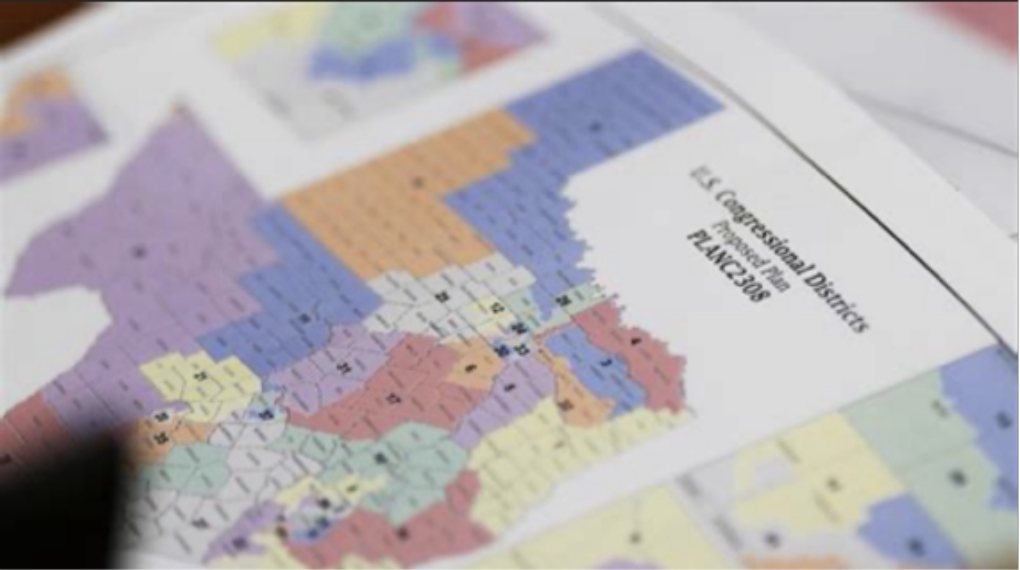
In this past month, Virginia has passed legislation to redistrict the state, increasing representation for the Democratic Party. This coincided with Texas redrawing their lines, increasing their representation of the Republican Party. Texas’s redistricting created a chain reaction which then led to California redrawing their lines and increasing Democratic votes, as well as other states redrawing their lines to alter the representative party. However, since there are many changes throughout different states across the United States, the election may not be heavily influenced, as there have been changes for both the Republican and Democratic Parties throughout the states. However, the biggest change is in the fact that redistricting usually occurs every 10 years, but with Trump's urging and Texas’s break of tradition, other states have changed theirs as well, instead redistricting when they see fit, breaking previously set precedent.
The Virginia Supreme Court first denied a request to appeal the redistricting, therefore allowing the change in political representation in the state. Arguments against Virginia’s new ruling consist of concerns about changes so close to the midterms, as well as the morality of partisan gerrymandering. However, no laws against partisan gerrymandering have been created, and the Supreme Court said that cases involving partisan gerrymandering are not justiciable, meaning that the Supreme Court won’t get involved as it applies with politics, but they will get involved if the basis for redistricting a state is race, or racial gerrymandering.
Earlier this week, the Supreme Court of Virginia tossed the voter-approved redistricting, limiting the hopes of increased Democratic party representation. They overturned the case, despite previous claims that they would not accept the request to appeal the redistricting. Also, this week, Tennessee has redistricted, dividing the city of Memphis into separate congressional districts, which has influenced representation for minority groups as many of the districts curve into dense white neighborhoods. This pattern is likely to continue, as many states have already or are currently working to redistrict to increase representation for whichever political party they favor.